Costs
Part of What should you ask before commissioning a custom workbench maker?
What should you check before signing a custom workbench quote?
Comparing quotes for a commissioned bench: material allowances, what a rushed schedule really costs, delivery terms, and where published data helps.
What to take away
- Quotes are only comparable if they describe the same bench. Write the specification yourself and send it to every maker.
- A material allowance is not a price. Ask what happens when the actual timber costs more or less than the allowance.
- A compressed schedule is a real cost, not a favor. Rushed work usually means paid overtime somewhere.
- Delivery, access and installation belong in the quote, not in a conversation on the day.
We publish no figures. Prices for this work vary by region, species and shop, and a national number would be invented. What follows is how to make quotes comparable, which is the only reliable way to tell an expensive bench from an expensive scope. Two quotes that differ by half usually describe two different objects.
Write the specification before you ask
Send every maker the same document. It does not need to be sophisticated:
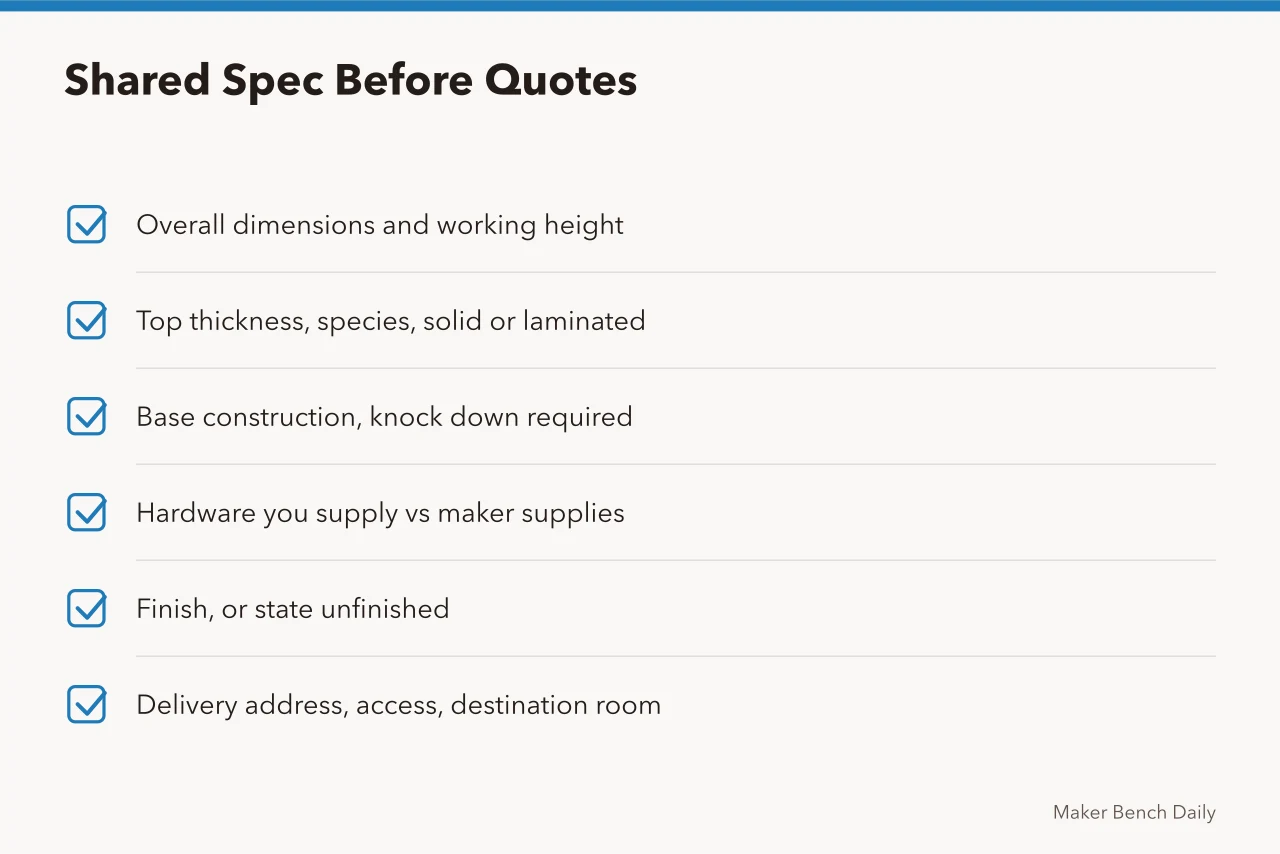
- Overall dimensions and working height.
- Top thickness, species preference and whether solid or laminated core is acceptable.
- Base construction, and whether knock down is required.
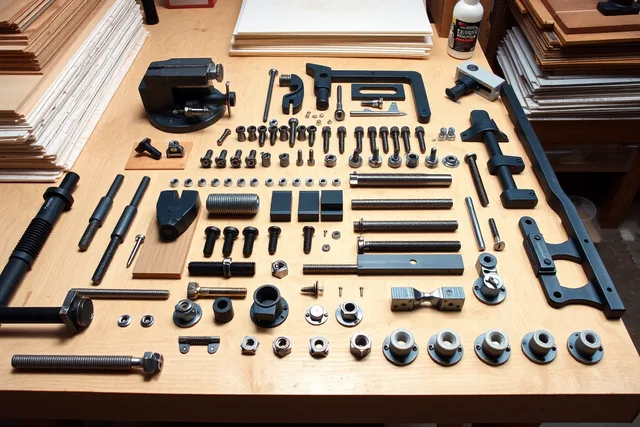
- Hardware you are supplying and hardware they should supply.
- Finish, or a statement that you want it unfinished.
- Delivery address, access constraints and destination room.
Quotes against a shared specification differ on price. Quotes against a vague brief differ on scope, and you cannot tell which is cheaper.
Understand the material allowance
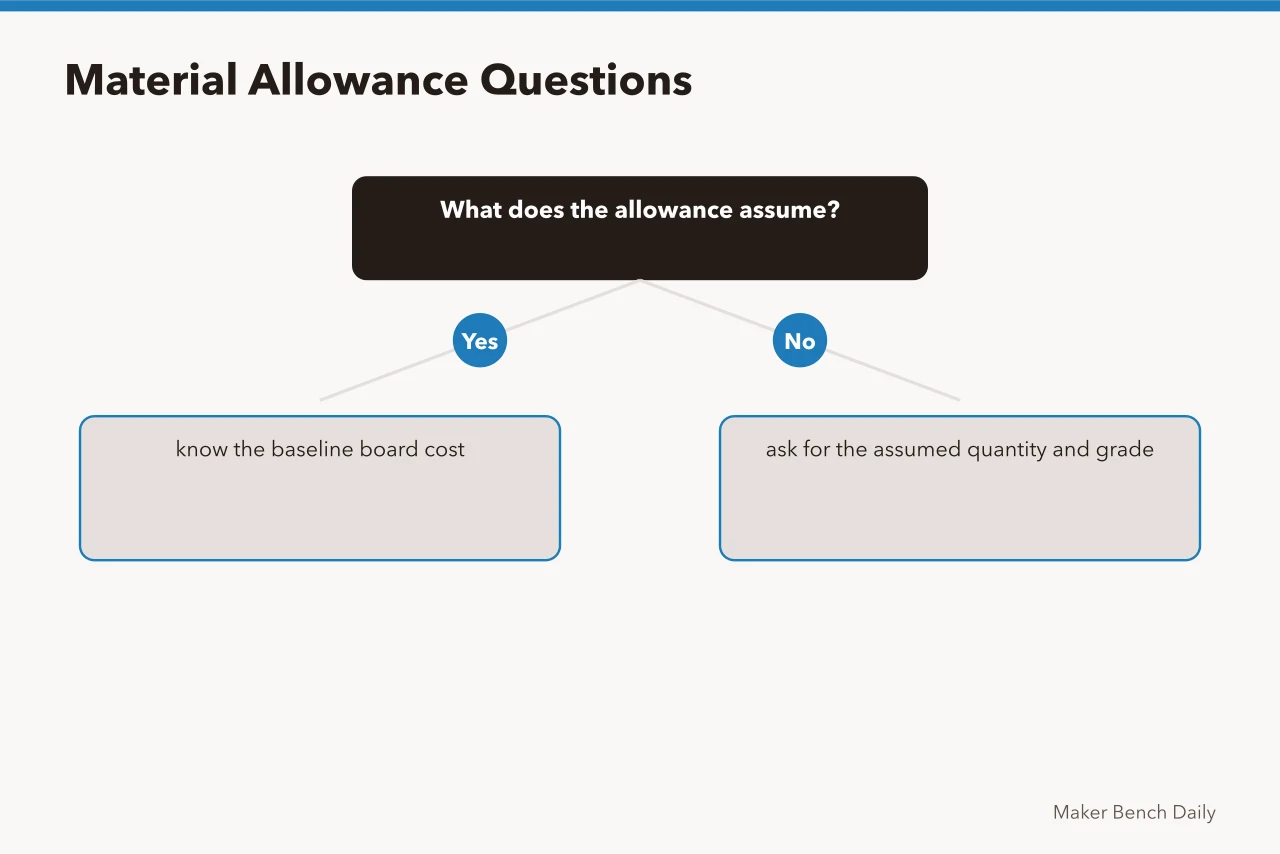
Most custom quotes include an allowance for timber rather than a fixed price, because boards are bought to suit the job. Ask three questions: what the allowance assumes, what happens if the actual cost differs, and whether offcuts belong to you.
The same applies to hardware. An allowance for a vise is not a vise, and the difference between a modest one and a good one is significant.
A rushed schedule has a price
If you ask for a compressed delivery date, the shop absorbs it somewhere, often with evening and weekend work.
The Department of Labor's fact sheet on blue-collar workers and the white-collar exemptions states: workers doing manual work with their hands get overtime pay regardless of how highly paid they are. They cannot be exempted on the basis of skill.
For you as a customer, that is context rather than obligation. It explains why a rush charge exists and why a shop that quotes an aggressive schedule at the same price may be planning to cut a step instead.
Use published data rather than guesses
Where you need a reference point for labor rates or material price trends, use published sources rather than forum anecdotes. The Department of Labor's statistics hub points to the federal data on wages, employment and prices, which is the right starting point for understanding whether a quote is out of line for your region.
Do not expect it to price a bench. It gives you context, not a number.
Put delivery in the quote
Ask specifically whether the quote covers delivery to the curb, to the door, or to the room. Ask who carries it and how many people come. Ask what happens if it does not fit through the door, and who pays for the return trip.
Our commissioning watchlist covers evaluating the maker, and our guide to pricing a bench build covers doing it yourself instead.
Common questions
Is the cheapest quote usually the smallest scope? More often than not. Check what is missing before assuming it is a bargain.
Should I ask for a fixed price? You can, and expect a contingency built into it. An allowance with clear terms is often better value.
What is a fair change order charge? Whatever was agreed in writing beforehand. Agreeing it afterwards never goes well.
Can I supply my own timber? Some makers accept it and many do not, because they cannot warrant material they did not select or dry themselves. Ask before you buy anything, and expect a discount smaller than the timber cost.