



































Industry
Before-and-after workshop makeovers leave things out of the photo
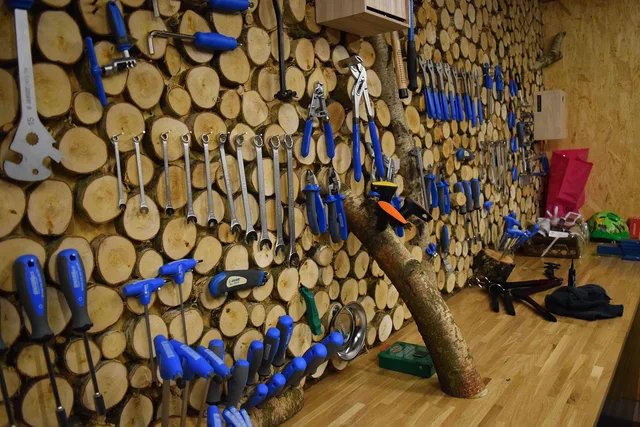
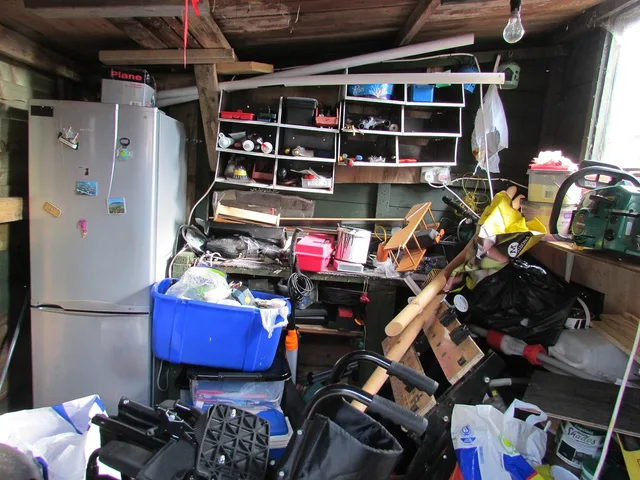
What before-and-after workshop makeovers show and what they leave out: the four changes that do the work, and the running costs a photo never mentions.

Home workshop makeovers comparison: assess the base, set bench height, plan a temporary surface, protect the top, and choose plywood over glass.
The errors that spoil a shop makeover: cosmetics before infrastructure, storage built too early, alarms moved, and young helpers put on the wrong machine.
Home workshop makeovers materials: epoxy, polyurethane and polyaspartic floors, plywood or pegboard walls, fiberglass, mineral wool or foam insulation.
What a workshop makeover actually needs: layout and marking tools, fixings for the right substrate, dust control during the work, and eye protection.
Practical makeover advice: empty the room completely, work in phases, put washing facilities in the plan, and design for the person you will be later.
What before-and-after workshop makeovers show and what they leave out: the four changes that do the work, and the running costs a photo never mentions.
Five builds around a tool system: a charging bench, case inserts, a rail rack, a hose manifold and an overhead store, each isolating a single skill.
Maker tool systems storage: battery packs off combustibles, blades and bits separated, and propane cylinders stored per NFPA 58 and local fire codes.
Two days to organize a maker tool system: inventory it, set up charging properly, practice rail cuts, sort what is flammable, and label everything once.
A purchase order for a first battery tool system: when to buy kits and when to buy bare tools, track saw against table saw, and a hearing protection budget.
Maker tool systems how to: photograph insurance records, check CPSC recalls before resale, and create honest listing photos and readable case labels.
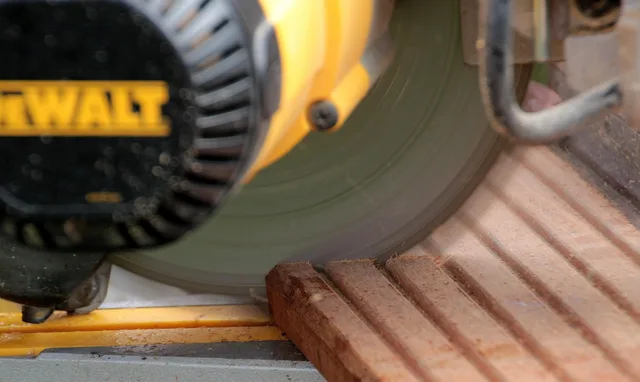
Compare maker tool systems by battery platform, track saw rail and dust port, and see how Milwaukee, Makita, Festool and DeWalt lock you in.
Ways to learn from a custom bench maker: paid studio days, shop time with supervision, structured training routes, and how such training gets funded.
Plan a home workshop set-up around the seasons: order custom benches in late winter, schedule deliveries for spring or fall, and handle indoor jobs anytime.
Custom workbench makers setup starts with the route: survey doors, stairs and corners, specify knock-down joinery, then plan the last stretch on delivery day.
A first home workshop tool kit, named tool by tool: what to buy, what to borrow from a library or maker space, and the jig worth building first.
Comparing quotes for a commissioned bench: material allowances, what a rushed schedule really costs, delivery terms, and where published data helps.
A buyer's guide to custom workbench orders: supply your own vise and workholding, leave timber and joinery to the maker, and plan the move.
Inspect a Calgary garage slab, choose anchors that tolerate frost heave, see permit triggers, isolate and level the bench, and recheck anchors each spring.
This guide covers dust collection sizing, blast gates, make-up air, noise isolation and Ottawa permit touchpoints for a townhouse basement workshop bench.
A Manitoba basement workshop collects soil gas and winter dryness alike, so long-term radon testing and humidity control belong in the same plan.
Buying tools in Canada means weighing Canadian Tire, Lee Valley, Busy Bee Tools and KMS Tools on CAD pricing, warranty service and parts availability.
Cross-border tool shopping adds CBSA duty, GST or HST, customs valuation and warranty limits on imported tools, so know your landed cost before ordering.
Garage conversion workshop rules differ by province: Alberta uses safety codes permits, Ontario building permits, zoning and insurance each vary.
Heat a Canadian garage workshop from a -30°C cold soak to a -5°C bench: insulation first, then electric, propane or wood sized to your hours.
Why custom workbench makers work in a queue, let timber settle, tie each payment to a visible event, and what that order means for a buyer's questions.
Small workshop storage in Halifax needs sealed cases, airflow and rust-preventive coatings to slow salt air corrosion on hand tools in coastal humidity.
Workshop outlet wiring in a Canadian garage starts with your bench and equipment plan, then moves to circuit choices, permits, and inspection.
How to judge a custom workbench maker in 2027: drawings and tolerances, materials answered specifically, deposit terms, and what a good quote includes.
How to anchor workbench to concrete floor slabs safely in a garage: embedment depth, edge distance, anchor choice and the fix when one spins.
Fixing the work surface problems that spoil everything built on them: wrong height, twist, tables out of plane, and one bench doing three unsafe jobs.
Brushless vs brushed drill home workshop choice comes down to hours of use and the battery platform you own. Runtime, noise and dust separate them.
Does homeowners insurance cover workshop tools in a garage? Standard policies cover them as personal property, but paid work often falls outside the limit.
Dust collector vs. shop vac comes down to airflow, static pressure and amps on a 120V circuit. Here is how US home workshops pick between them.
A French cleat tool storage wall holds weight when the screws reach studs. Plan rail height, 3/4-inch plywood and imperial fasteners before you cut.
Garage workshop electrical planning by load: 20-amp circuits, bench receptacles first, GFCI, load math, what can wait, and when to call an electrician.
To organize nuts and bolts in a US workshop, split SAE from metric first, then sort by size, and label every bin with its full callout. That order holds.
A concrete list of home workshop setup mistakes with the fix for each: blocked exits, storage overhead, standing on chairs, and switches you cannot reach.
The material decisions behind shop setup failures: shelving that sags, anchors in the wrong substrate, masonry dust nobody planned for, and jig stock that moves.
A small kit of measuring and testing tools that finds setup mistakes before they are built in: squares, straightedges, levels, meters and a voltage tester.
Workshop setup mistakes are easier to catch early: test a full-size layout, change one thing at a time, get a second review, and keep first aid close.
The mechanisms behind workshop setup mistakes: copying photographs, buying before measuring, deferring dull infrastructure, and assuming competence.
Five small ventilation builds that teach one thing each: a blast gate, a separator lid, a downdraft box, a machine hood, and a properly switched circuit.
Storing ducting, filters and respirators between jobs: how to store shop ventilation kit, keep duct and hose clean and round, protect filters from crushing.
A workshop ventilation learning plan for a weekend: inventory airborne hazards, inspect leaks, improve capture at one machine, test and record what remains.
Ventilation equipment compared for first-time buyers: comparing shop vacuums, dust collectors, cyclones, air cleaners and respirators, what each one.
Workshop ventilation how to: document hidden duct runs, measure airflow, label gates, and keep a repair-ready photo record before closing walls.
Workshop ventilation how it works: start with source capture, then move dust through separation or filtration before air is discharged or returned.
Home workshop costs buying guide: where cheap tools are fine, where accuracy pays, and the upkeep that decides what a tool really costs you.
A first home workshop tool kit built by category rather than brand: measuring, cutting, holding, fastening and protection, in the order projects need.
Workshop layouts planning starts with stock, panel, load, and doorway measurements, then maps material flow, machine work zones, storage, and a clear exit.
Modular workbenches setup in a home shop: how to pick the format, add mass low down, and handle finishing, solvents and alarms at one bench.
Workshop layouts setup for a garage or spare room: keep one workbench fixed, sort tools by mobility, anchor wall storage, and keep the exit clear.
A two-day plan for a garage shop: audit the room on Saturday morning, fix the hazards you find, then practice the cuts that everything else depends on.
Low-cost workshop surfaces compared: sheet goods on a frame, salvaged tops, sacrificial layers, and the composite panel question worth knowing about.
Comparing home workshop work surfaces: solid tops, torsion boxes, sacrificial sheets and assembly tables, plus height, mass and anchoring decisions.
Use this modular workbenches comparison rubric to assess joints, load ratings, hole grids, mobility, working height, and built-in power before buying.
Corded, cordless, pneumatic and fuel tools each carry a different cost in a home garage, and the power source decides more than the badge does.
The mistakes that repeat in home workshop costs: buying capability the room cannot carry, skimping on protection, and never counting the running items.
How to plan home workshops: pick a space for its limits, get power, light and dust control right before benches go in, and train on the dangerous machines.
The errors that repeat in first home workshops: blocked floors, overloaded circuits, cleaning with compressed air, and machines used without training.
How small-shop makers standardize modular workbenches: one shared height, a single hole grid, machines mounted in the bench, and the rules when you sell.
How workshop layouts makers work in stages, not stations: clearances around guards, separation for finishing, and reserved assembly space.
A home workshop costs materials every time it uses stock. Plan for usable yield, match grade to each part, and count the hazards of reclaimed boards.
Home workshops materials guide: compare wood movement, sheet goods, glue and fastener fit, finish families, and practical dust and SDS safety for a home shop.
A guide to photographing a garage workshop: fixing mixed light, framing at working height, avoiding unsafe practice in photos and noting what was tidied or cropped.
A modular workbench budget lives or dies on hardware, sheet goods and finish, and the small line items like fasteners most builders forget to price.
Costing a workshop layout honestly: separating fixed work from fittings, pricing electrical to listed equipment, and judging used shelving and racking.
Storing garage workshop materials: lumber and sheet goods that stay flat, finishes and fuel kept away from ignition, and rags that can heat on their own.
Named woodworking schools that teach bench building, what a good course covers, and the questions to ask before booking, including knockdown bases.
Six small garage workshop projects chosen to teach one skill each: sharpening, square crosscuts, flat panels, drilling accurately, and finishing cleanly.
Fifteen garage workshop ideas worth the effort in 2027, from mobile everything and better light to fuel storage, fire cover and keeping the car space.
Home workshop costs split into four budgets, plus the recurring bills for electricity, blades and dust collection most shop budgets leave out.
The bench hardware that pays off first: one vise, dogs that fit your grid, holdfasts, a stop, and the work-holding that keeps hands away from cutters.
Mobile bases, task lighting and load-rated shelving come before another machine, because they make the tools you own reachable and safe to use.
Home workshop costs expert tips: the resale, consumable, recurring, time and legal traps beginners miss, plus a formula to size your own bills. No figures.
The lessons that repeat in home workshops: order of spending, hazards found late, buying used tools well, and knowing when a room has outgrown you.
Where to learn shop layout and machine work in person, with named schools, makerspaces, guilds and apprenticeship routes across North America.
Industry
What before-and-after workshop makeovers show and what they leave out: the four changes that do the work, and the running costs a photo never mentions.
Reviews
Compare maker tool systems by battery platform, track saw rail and dust port, and see how Milwaukee, Makita, Festool and DeWalt lock you in.
Maintenance
Inspect a Calgary garage slab, choose anchors that tolerate frost heave, see permit triggers, isolate and level the bench, and recheck anchors each spring.
Guides
This guide covers dust collection sizing, blast gates, make-up air, noise isolation and Ottawa permit touchpoints for a townhouse basement workshop bench.
Guides
A Manitoba basement workshop collects soil gas and winter dryness alike, so long-term radon testing and humidity control belong in the same plan.
Reviews
Buying tools in Canada means weighing Canadian Tire, Lee Valley, Busy Bee Tools and KMS Tools on CAD pricing, warranty service and parts availability.
Reviews
Home workshop makeovers comparison: assess the base, set bench height, plan a temporary surface, protect the top, and choose plywood over glass.
Maintenance
The errors that spoil a shop makeover: cosmetics before infrastructure, storage built too early, alarms moved, and young helpers put on the wrong machine.
Reviews
Home workshop makeovers materials: epoxy, polyurethane and polyaspartic floors, plywood or pegboard walls, fiberglass, mineral wool or foam insulation.
Reviews
What a workshop makeover actually needs: layout and marking tools, fixings for the right substrate, dust control during the work, and eye protection.