Guides
When to Buy Tools and Set Up a Home Workshop: A Month-by-Month Guide
Home workshops follow the building season: order benches and tools in late winter, schedule deliveries for spring or fall, and keep summer for installs.
What to take away
- Order tools and custom benches in late winter, when order books are thinnest.
- Book deliveries and slab work for spring or fall, never the July rush.
- Electrical, anchoring and dust work happen indoors, so season barely matters.
- Plan drives and deliveries around weather, not the calendar.
Most home workshops run on the rhythm of the trades they buy from. Work is specified in winter, built in spring, and installed through summer and fall.
January is quiet and July is not. Stocking a first shop is a February job for the same reason. Answering which tools a home workshop needs before its first batch of twenty takes one counter clerk and half an hour in winter, not in June.
The home workshop calendar
The pattern is easy to read.
| Period | Suppliers and shops | Good for installing |
|---|---|---|
| January to March | Quiet order books | Best window for tool buys |
| April to June | Ramping up | Workable early, harder late |
| July to September | Crews on site | Worst window for delivery work |
| October to December | Winding down | Good from late fall |
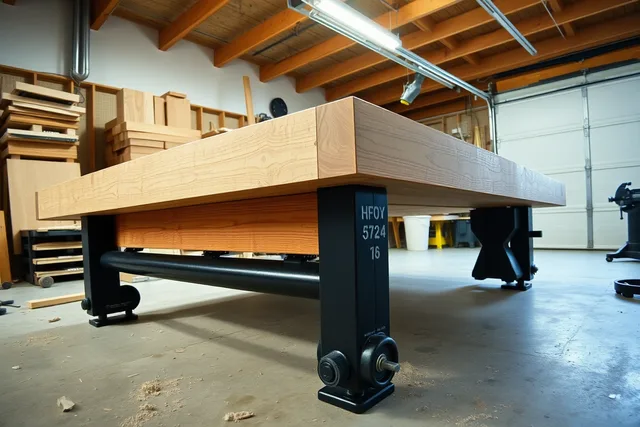
Late winter is the answer for most buyers. Bench makers are between commissions, so they will discuss a design instead of quoting from a template.
Order the bench before the rush
A quiet-month commission takes four to eight weeks, not four to eight days.
- Measure the footprint in January, leaving room for the vise and a 30-inch walkway.
- Ask two bench makers for written quotes, and ask what they hold in stock.
- Compare the quotes line by line, because hardware and finish swing the price.
- Book delivery for March or April, before install season fills the calendar.
Before you sign, checking a custom workbench quote shows which lines move the price most. Hardware and finish usually swing it further than the top does.
Why summer is the wrong month
The skilled people are out on installs, not at the bench. The garage is hot and loud with the door open. Order books are full of work that has to ship.
You can still get a bench in July. You will get a longer lead time and a shorter conversation.
Dealers feel it too. A machine ordered in July can sit on backorder until September, and the crew will not promise a delivery day.
Indoor jobs that suit any season
A garage workshop has its own electrical rules and its own inspector's checklist. At least one 20-ampere branch circuit is required for receptacles in a garage, a point set out in the National Electrical Code. Pulling that circuit is a good January project.
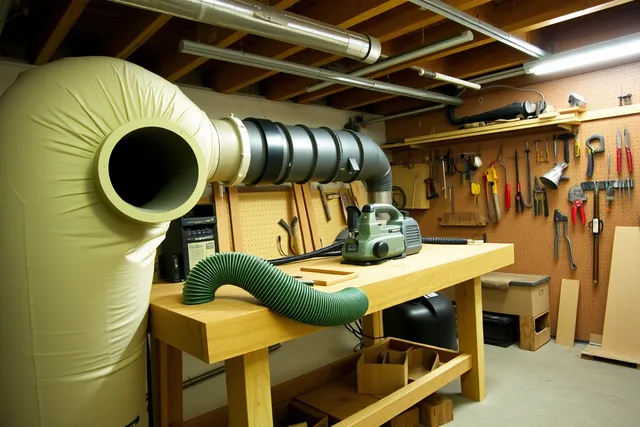
Dust control is the other indoor job, and a quiet basement bench depends on where the collector sits. A shop vacuum is not a dust collector, and the OSHA woodworking eTool explains the gap in airflow and filtration. Duct runs go in before the first cold weekend.
Storage rewards the same treatment. Sort inch and metric fasteners into separate bins, because sizes defined by the Unified Thread Standard do not interchange with metric sizes.
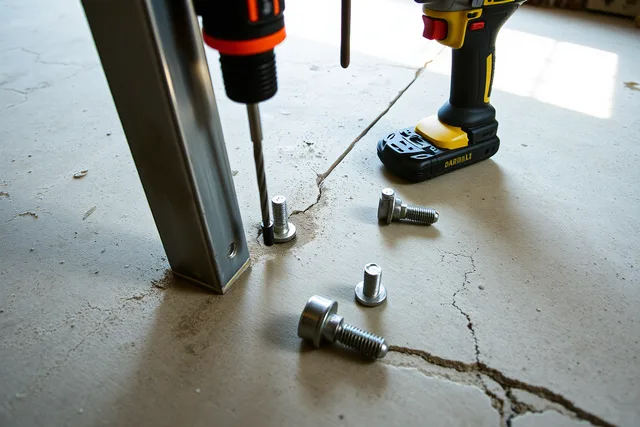
Anchoring is the third indoor job. A bench that slides during a heavy cut was never fastened down. Concrete anchors set best on a slab above freezing, so plan this work for fall.
Weather sets the delivery date
Bench shops and lumber yards sit on industrial edges reached by ordinary roads. Summer brings storms and standing water. Winter brings ice and short daylight. Ask the shop which route their own drivers avoid in January.
Book the delivery for a week you can be home two days running. A crate in the driveway is not storage.
Supplying your own moving gear and delivery help often costs less than a liftgate fee, and it puts the delivery day under your control.
Shows, sales and classes change the calculation
Woodworking shows and dealer open days concentrate access into a few days a year, usually spring or fall. You get demonstrations without arranging anything, alongside a hundred other people.
Store sales follow the trade calendar. Winter is when dealers clear floor stock and bundle blades or clamps with a machine. Spring is when the bundles stop, so a February order lands in a quiet warehouse.
Dealer open days are worth the drive if you want to run a machine before buying it. Most manufacturers send a demonstrator and a stock of blades, and you can bring your own scrap to test the cut.
Classes run in winter for the same reason the benches are free, and the small ones fill first. A list of bench makers, classes and studios worth finding beats cold-calling, and a class is the cheapest way to test a bench design before you order one.