Reviews
Part of The real cost of a home workshop, including the bills nobody quotes
Buying home workshop tools: buy cheap or buy well
Home workshop costs buying guide: where cheap tools are fine, where accuracy pays, and the upkeep that decides what a tool really costs you.
What to take away
- Price is what you pay once. Cost is price, plus consumables, plus upkeep, plus the time the tool wastes.
- Buy cheap where accuracy does not matter and failure is obvious. Buy well where accuracy is the whole point.
- Inspection is free and prevents the most expensive category of failure, which is the one that hurts someone.
- A tool you own but do not maintain is more expensive than the one you never bought.
No brands appear here. We have run no comparative tests, so any claim that one model outperforms another would be invented rather than measured. What follows instead is a way of deciding where money changes the result and where it does not, which is a question you can answer for your own work without any test data at all.
Where cheap is fine and where it is not
Where cheap is fine
Buy well
- Clamps for light holding
- Combination square
- Chisels for site work
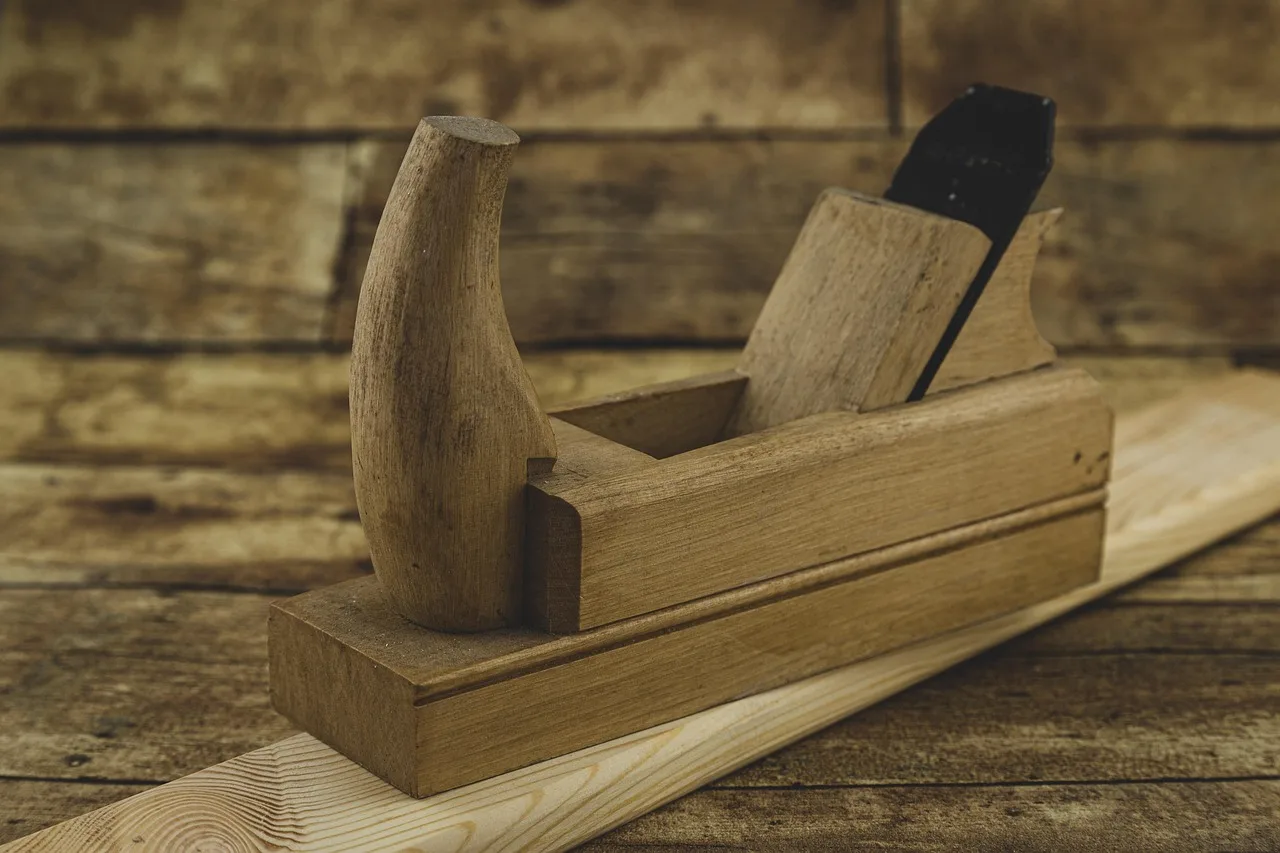
- Bench plane
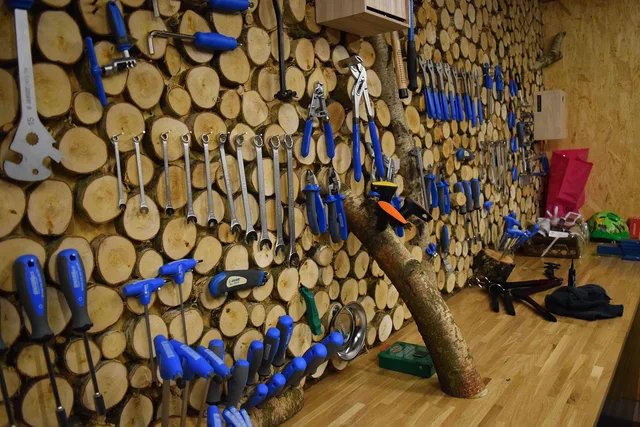
- Screwdrivers, pry bars
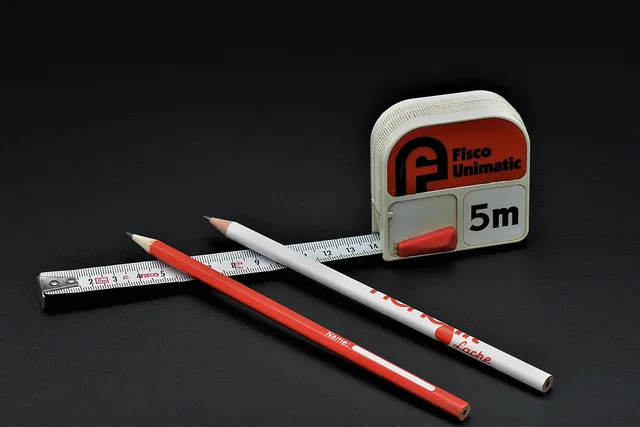
- Tape and steel rule
- Sanding blocks
- Random orbit sander
- Utility knives
- Drill and driver
Why
- Clamps for light holding
- Every later cut references the square
- Chisels for site work
- A poor casting cannot be tuned flat
- Screwdrivers, pry bars
- Disagreeing measures cost stock
- Sanding blocks
- Vibration decides how long you can work
- Utility knives
- Used more than anything else you own
The pattern is simple. Where a tool sets a reference, accuracy is the product and cheap costs you material. Where a tool applies force bluntly, cheap is usually fine.
Cost per use is the honest measure
Divide the total cost by the number of times you will genuinely use the tool this year. A three-hundred-dollar machine used weekly is cheaper than a fifty-dollar one used twice. This is also the argument for hiring: a floor sander or a large planer used once a year is a rental, not a purchase. Run the division before you buy: purchase price, plus a year of blades, abrasives and upkeep, divided by the number of honest uses you can name. If the arithmetic still looks good, buy; if you struggle to name the uses, rent.
Cost per use math
- 300 dollarsmachine used weekly
- 50 dollarsmachine used twice
- 1 per yearrental, not purchase
Add consumables into the same sum. A saw that only takes an unusual blade size, or a sander that takes a proprietary abrasive, carries a running cost that outlives the sale price.
Upkeep decides the real number
OSHA's rule for cord- and plug-connected equipment, 29 CFR 1910.334(a)(2)(i), requires a visual inspection for damage before each day of use.
Check the cord, plug and outer housing. Damaged equipment comes out of service until repaired.
That binds employers, not homeowners, and takes about ten seconds per tool.
OSHA's construction tools standard, 29 CFR 1926.300, goes further, making the employer responsible for the safe condition of all tools, including tools an employee brings from home, and requiring that moving parts be guarded. Read as a home practice, that means a tool with a defeated guard is not a working tool, whatever it cost.
The maintenance that pays
- Sharpen chisels, plane irons and carbide blades rather than replacing them.
- Wax cast iron surfaces so stock feeds without force.
- Blow out nothing; vacuum vents and brush cooling paths instead.
- Store batteries at a moderate charge in a moderate temperature.
- Check cords, guards and switches on a set day each month.
For the rest of the setup, see what a home workshop costs to run and work surfaces for a home workshop.