Reviews
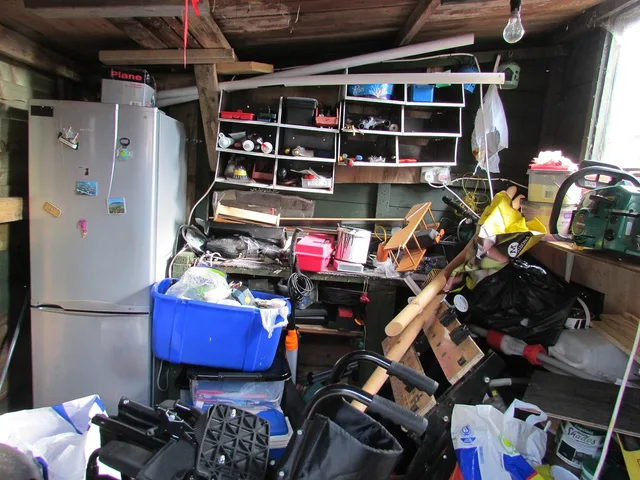
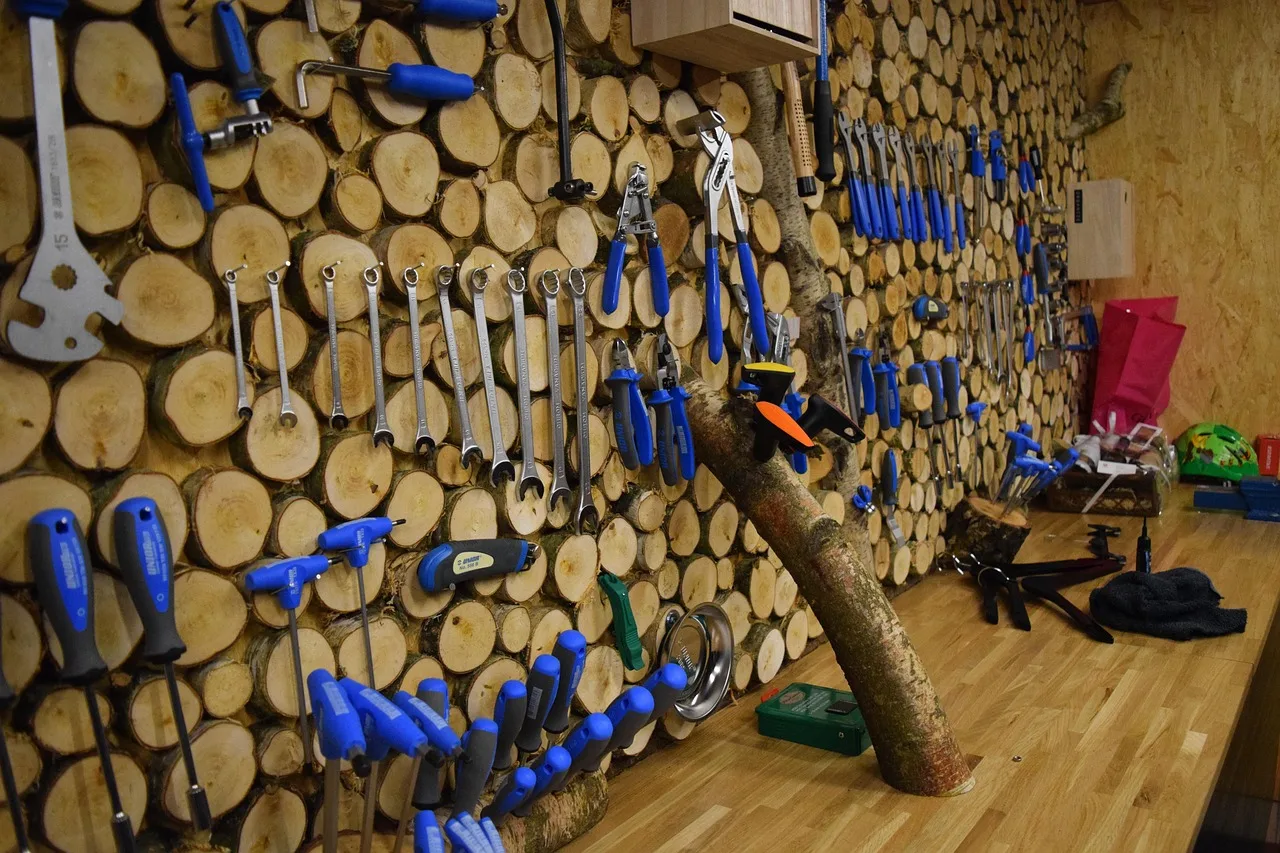
Part of Before-and-after workshop makeovers leave things out of the photo
Home workshop makeovers materials: floor, walls, insulation
Home workshop makeovers materials: epoxy, polyurethane and polyaspartic floors, plywood or pegboard walls, fiberglass, mineral wool or foam insulation.
What to take away
- Choose the wall lining for what you will hang on it. A wall you can fix into anywhere is worth more than a smooth one.
- Choose a floor coating or removable floor covering, then follow its preparation requirements.
- Insulation changes the air in the room as well as the temperature. Decide the ventilation at the same time.
- Old painted surfaces in older buildings may contain lead. Test before you sand or scrape anything.
Home workshop makeovers materials are chosen once and lived with for years. These decisions are hard to reverse: each sits behind or beneath something else by the time you find the problem.
Take longer over them than over tools. Get samples where you can. A floor coating or wall lining that disappoints is not a purchase you can return.
Wall linings
The question is not appearance, it is fixing. A lining you can screw into anywhere lets storage follow your layout rather than the other way round.
Wall lining options compared
Plywood
- Fixing anywhere
- Yes
- French cleats
- Yes
- Cost
- Higher
- Surface
- Smooth
- Cutting dust
- Low
OSB
- Fixing anywhere
- Yes
- French cleats
- Yes
- Cost
- Cheaper
- Surface
- Rough
- Cutting dust
- Dustier
Plasterboard
- Fixing anywhere
- Studs only
- French cleats
- No
- Cost
- Cheapest
- Surface
- Smoothest
- Cutting dust
- Low
Plywood gives you a broad surface to fasten into; drywall (plasterboard) gives a smooth finish but needs studs or added backing for heavy loads. Pegboard and slat wall make accessories easy to rearrange, but they need secure backing and compatible hooks or fittings.
Paint the lining a light color whatever you choose. It changes the effective lighting more than another fixture does.
Floor coatings
Preparation decides whether a coating lasts. Grinding or etching, cleaning, moisture testing and patching all come before the product, and skipping any of them is why coatings peel. A floor coating that fails usually traces back to preparation, the same order of work that cheap workshop surfaces depend on.
Common bonded options include epoxy, polyurethane, and polyaspartic coatings. Compare the coating system's suitability for hot tires, chemicals, impacts, and the garage's temperature and moisture conditions. Interlocking PVC tiles and rubber mats are noncoating alternatives that can be lifted or replaced, though their joints or edges can collect debris.
Mechanical grinding can remove weak surface material and create a profile; use acid etching only when the coating maker allows it. Follow the maker's moisture-test method and use a compatible concrete repair compound for defects before coating.
Floor coating preparation order
- Grind or etch the concrete
- Clean the surface
- Test for moisture
- Patch cracks and defects
- Apply the coating
Judge products on what they resist: dropped tools, solvent spills, hot chips if you do metalwork, and tires if the car returns. A coating that fails under a hot tire is a common and annoying surprise in a garage.
Insulation, and what it does to the air
Insulating a garage makes it usable in winter and changes how long dust and vapor linger. Decide the ventilation in the same conversation.
Before installing sprayed insulation, learn what the product is. The Consumer Product Safety Commission's guidance on spray polyurethane foam insulation gives health and safety recommendations for consumers.
It includes keeping occupants out during and after application for a period, plus the ventilation practices the manufacturer specifies.
Batt and board insulation avoid those questions and bring their own: fire performance, whether they need a covering, and how they behave with moisture. Batt choices include fiberglass and mineral wool; rigid board choices include expanded polystyrene, extruded polystyrene, and polyisocyanurate. Choose R-value and thickness to meet local code and the garage's wall or ceiling assembly.
Old paint deserves a test
OSHA's Lead in Construction standard applies to covered construction work, setting exposure limits, monitoring requirements, hygiene provisions, and medical surveillance for workers who disturb lead-containing materials. OSHA's general industry lead standard sets similar protections for covered general-industry work; both reflect the risk that sanding and scraping put lead into the air and onto surfaces.
These standards apply to employers rather than a homeowner working on their own property. The hazard is not modified by ownership. If the building is old enough for lead paint to be plausible, test before you sand, and consider a qualified assessor where the answer matters.
Never dry sand or burn off paint you have not tested.
Our makeover overview covers what these choices add up to, and our guide to material choices on a budget covers the cost side.