Reviews
Part of Before-and-after workshop makeovers leave things out of the photo
Beginner workshop makeover kits need layout tools before power tools
What a workshop makeover actually needs: layout and marking tools, fixings for the right substrate, dust control during the work, and eye protection.
What to take away
- A makeover kit is a building kit, not a woodworking one. Most of it you will use for a fortnight and then rarely.
- Hire the big items. A floor sander or a rotary hammer used once is a rental, not a purchase.
- Fixings are the part to get right. The anchor has to match the wall, and the wall is usually not what you assumed.
- Eye protection matters more during a makeover than during normal shop work, because overhead work throws debris downward.
Almost none of this kit is the kit you use afterwards, which is why it is worth listing separately and why hiring covers so much of it. Buying a full set of building tools for a project that lasts a fortnight is the fastest way to spend the makeover budget on things that then need storing.
Layout and marking
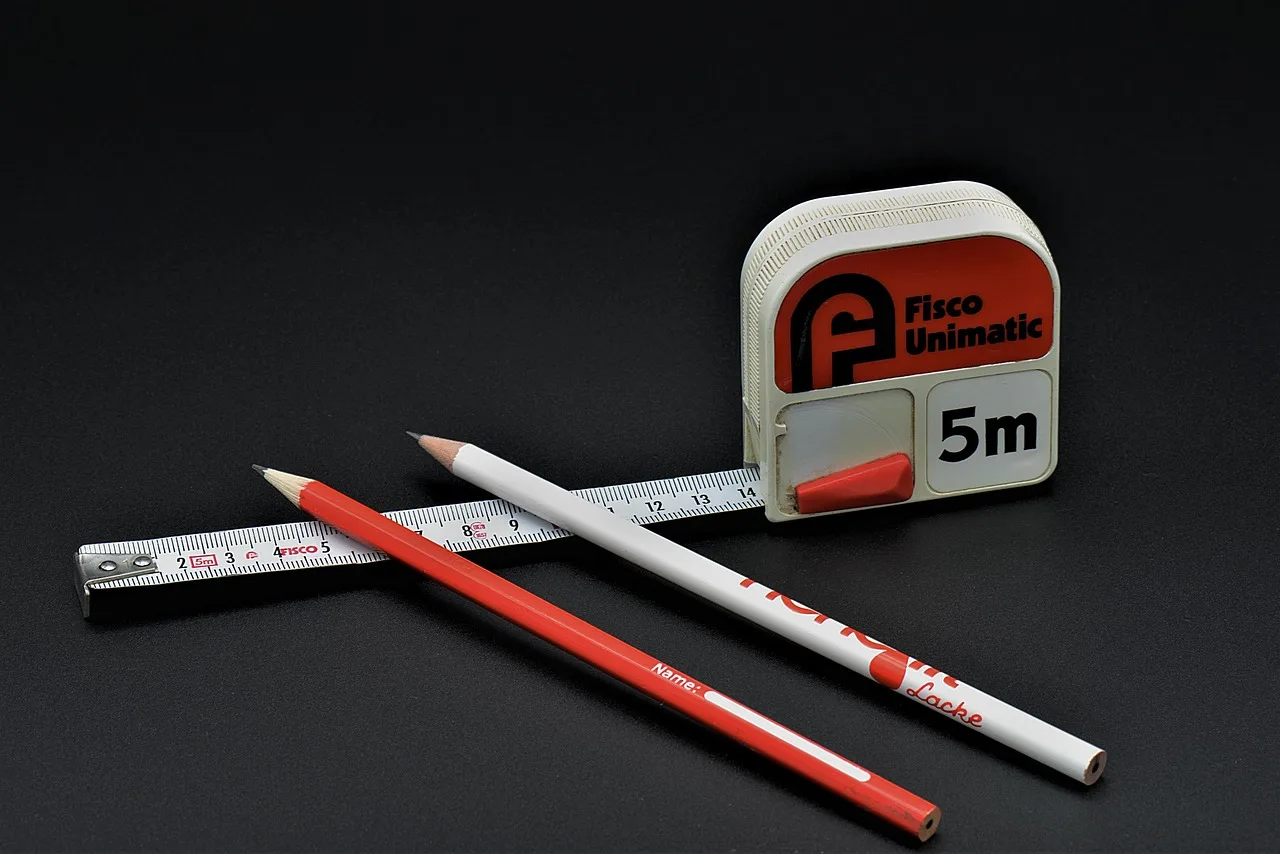
- A long tape and a laser level or a long spirit level for setting bench and shelf heights.
- A stud finder, plus a small drill bit for confirming what it found.
- Chalk line and a marker that shows on dusty surfaces.
- A torch, because you will be looking into places the new lighting does not reach yet.
Mark everything on the wall before drilling anything. A wall covered in pencil lines is a plan you can walk around and change for free.
Fixings and the tools to place them
The anchor has to suit the substrate, and garages mix timber studs, concrete, block and board. Buy fixings after you know what the wall is, not before.
| Substrate | Typical approach | Common error |
|---|---|---|
| Timber stud | Screws into the stud center | Missing the stud by an inch |
| Solid concrete | Masonry anchor, correct hole size | Hole drilled oversize |
| Hollow block | Anchor rated for hollow material | Solid-material anchor spins |
| Board only | Nothing heavy at all | Assuming a board anchor will hold a rack |
Anchoring tall storage matters beyond the shop itself. The Consumer Product Safety Commission's guidance on securing furniture against tip-over is written about homes with children, and a garage that opens into a house is one. Fix tall units to the wall before you load them.
Dust control during the work
The makeover itself is dustier than anything you will do afterwards. Plan for it: sheeting over doorways, a fan pulling air out rather than in, and a vacuum with a fine filter rather than a broom for the fine material.
If you are cutting or drilling masonry, use on-tool extraction or water where the tool allows it, and do not dry sweep the residue.
Protection, especially for the eyes
Overhead work sends debris down toward your face, and a makeover involves far more of it than normal shop work. The construction rule on eye and face protection requires protection suitable for the hazard, including side protection where there is a risk of flying particles, and specific provision for people who wear prescription lenses.
Employers carry that obligation on a site rather than you in your own garage. The reason to follow it anyway is that drilling overhead into an old ceiling produces exactly the debris the rule was written for.
Hire rather than buy
Floor sanders, large rotary hammers, scaffold towers and heavy-duty vacuums are all worth hiring. Buy only what you will keep using: a decent drill and driver, a shop vacuum, hand tools and protection.
Our makeover overview covers what the project changes, and our checking kit guide covers the measuring tools that verify the result.