Guides
Part of Workshop Ventilation How It Works: Capture at the Source
Workshop ventilation how to: document hidden duct runs
Workshop ventilation how to: document hidden duct runs, measure airflow, label gates, and keep a repair-ready photo record before closing walls.
What to take away
- Photograph every duct run before it is boxed in or hidden behind a cabinet. That picture is what makes a future repair possible.
- Airflow is invisible, so photograph its effectsa tell-tale ribbon, dust on a filter, a smoke source at a hood mouth.
- Never publish a photograph of a tight-fitting respirator when facial hair lies between its sealing surface and the face, or when it is hanging loose. It teaches a fit that does not work.
- Label the photographs with dates and gate positions, or the record becomes a puzzle within a year.
For a workshop ventilation how to, start with the work that will disappear: photograph duct runs before walls and cabinets go back.
A photographic record is worth more here than anywhere else in the workshop because you cannot see the system after walls and cabinets go back, and failures are gradual, not obvious. A leak that halves your capture looks exactly like a working system.
Photograph what will be hidden
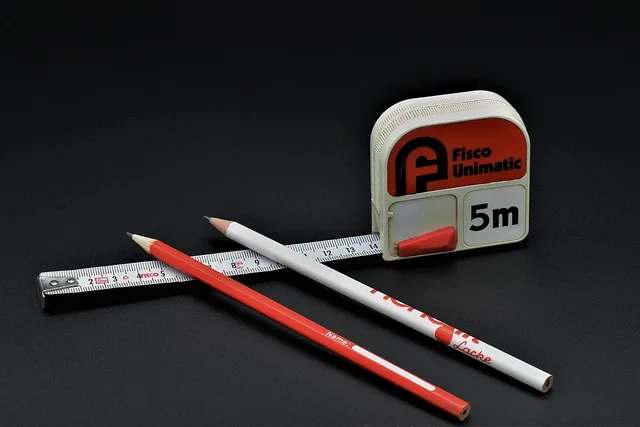
Before anything is closed in, shoot the duct route from two angles per section, with a tape or a ruler in frame for scale. Capture the joints, the gate positions, the supports and any transition in size. Include the wall behind, so you know what the fixings went into.
Do the same for the electrical work that serves the system. A photograph of a run before it is covered is the difference between a repair and a demolition.
Make invisible airflow visible
Air does not photograph. Its effects do. Three practical methods:
- Tape a light ribbon or a strip of tissue at the hood mouth and photograph it under working conditions.
- Photograph the filter surface before and after a session, in the same light, to show loading.
- Photograph the settled dust on a shelf across the room, which is the honest measure of what escaped.
- For a numeric record, use an anemometer to note air speed at the same marked point near the hood, or a manometer to record static pressure at a marked test point. Photograph the reading and note the measurement location and date.
Keep the camera position identical between before and after shots. A comparison only means something if the frame is the same.
Do not publish a bad respirator fit
For workplaces covered by OSHA, the Respiratory Protection standard (29 CFR 1910.134) requires employers to fit-test workers before initial use of a tight-fitting respirator, whenever a different facepiece is used, and at least annually. Fit tests are qualitative or quantitative and must follow an accepted protocol in Appendix A; the wearer must perform a user seal check each time the respirator is put on.
The standard prohibits a tight-fitting facepiece when facial hair lies between the sealing surface and the face or interferes with valve function. For a user seal check, follow the manufacturer's instructions; Appendix B-1 describes positive- and negative-pressure checks. These OSHA duties fall on employers in covered workplaces, while the seal and airflow principles apply in a home shop too.
If you photograph yourself in a respirator, wear it correctly or crop it out. The same goes for eye protection pushed onto a forehead.
Show what the system does not cover
An honest write-up says what was not solved. Most home systems capture well at one or two machines and poorly everywhere else. Say which machines are connected, which are not, and what you do instead when using the unconnected ones.
If you cite requirements, cite them accurately. OSHA's ventilation standards page includes 29 CFR 1910.94, Ventilation, for covered workplace operations, and is a better reference than a paraphrase of a figure you half remember.
Build a record that survives
Keep the photographs with a plan sketch, filter part numbers and dates. Assign each machine branch a letter (A, B, C, and so on) and mark the matching gate with that letter; put the same labels on the sketch and photo filenames. Use Microsoft Paint or Apple's Preview to add arrows and labels to image copies, keeping the originals unchanged. Store the record in a shop project binder and in a backed-up digital folder on a computer or external drive.
Our ventilation overview covers how the system is meant to work, and our guide to photographing a garage shop covers the lighting problems these rooms present.