Features
Part of Garage workshop ideas worth the effort, from light to fire cover
Beginner garage projects, each built to teach exactly one skill
Six small garage workshop projects chosen to teach one skill each: sharpening, square crosscuts, flat panels, drilling accurately, and finishing cleanly.
What to take away
- A project that teaches one skill beats an ambitious project that teaches five badly.
- Pick projects where the skill is the visible result, so failure is obvious and correctable.
- Sharpening is the highest-return skill in a hand-tool shop and the one most often skipped.
- Two of these projects involve a bench grinder, which has specific guarding features worth understanding first.
The trap in a new shop is starting with furniture. A cabinet needs accurate cutting, flat panels, square assembly and a clean finish at once. When it comes out wrong, you cannot tell which of the four let you down.
These projects isolate one thing each, so you know what to practice next. Each one leaves you with something you keep using.
Six projects, one skill each
| Project | Skill it isolates | Build spec, typical stock and tools | How you know it worked |
|---|---|---|---|
| Bench hook | Square crosscutting by hand | 3/4 in ply base 12 x 18 in, 3/4 x 2 in cleats, saw, square, clamps | The saw kerf stays square through the stop |
| Shooting board | Trimming to a line | 3/4 in ply runway 24 x 10 in, 3/4 x 3 in fence, bench plane | End grain comes off flat and square |
| Cutting board | Flat glued panels | 1 in hardwood strips, 12 x 18 in finished, waterproof glue, clamps, sander | No gaps, no cupping after a week |
| Wall shelf on a cleat | Accurate drilling and levelling | 1 x 8 in pine 24 in long, 1 x 2 in cleat, drill, level | It hangs level and holds load |
| Sharpening station | Edge maintenance | 3/4 in ply base 18 x 12 in, stone holder, 1000 and 6000 grit stones | A chisel pares end grain cleanly |
| Small painted box | Finishing without dust nibs | 1/2 in pine, 6 x 4 x 3 in, glue, 220 grit paper, brush | An even surface with no runs |
Time and cost: the bench hook, shooting board, shelf and sharpening station are one session each, and the cutting board or box may run to a second session. Cost is mostly stock you do not already have, and offcuts cover most of it.
Plans and photos: a search for the project name plus plans turns up free dimensioned drawings, and most public libraries carry woodworking titles with photos of the same builds.
Build them in that order if you want the fastest improvement. Each one produces a tool or jig you keep using, so the practice is not thrown away.
Six projects, one skill each
Project
- Bench hook
- Square crosscutting by hand
- Shooting board
- Trimming to a line
- Cutting board
- Flat glued panels
- Wall shelf on a cleat
- Accurate drilling and levelling
- Sharpening station
- Edge maintenance
- Small painted box
- Finishing without dust nibs
Skill it isolates
- Bench hook
- Kerf stays square
- Shooting board
- End grain flat and square
- Cutting board
- No gaps, no cupping
- Wall shelf on a cleat
- Hangs level, holds load
- Sharpening station
- Chisel pares end grain cleanly
- Small painted box
- Even surface, no runs
How you know it worked
- Bench hook
- Shooting board
- Cutting board
- Wall shelf on a cleat
- Sharpening station
- Small painted box
Sharpening is the multiplier
Most beginners conclude that hand tools do not work, when what they own is a blunt edge. Learn one sharpening method properly and stay with it.
A typical sequence: raise a burr at 25 degrees on a 1000 grit water stone. Refine on a 6000 grit stone, then remove the burr with a few light passes flat on the stone and a strop. Keep the same angle on every stone.
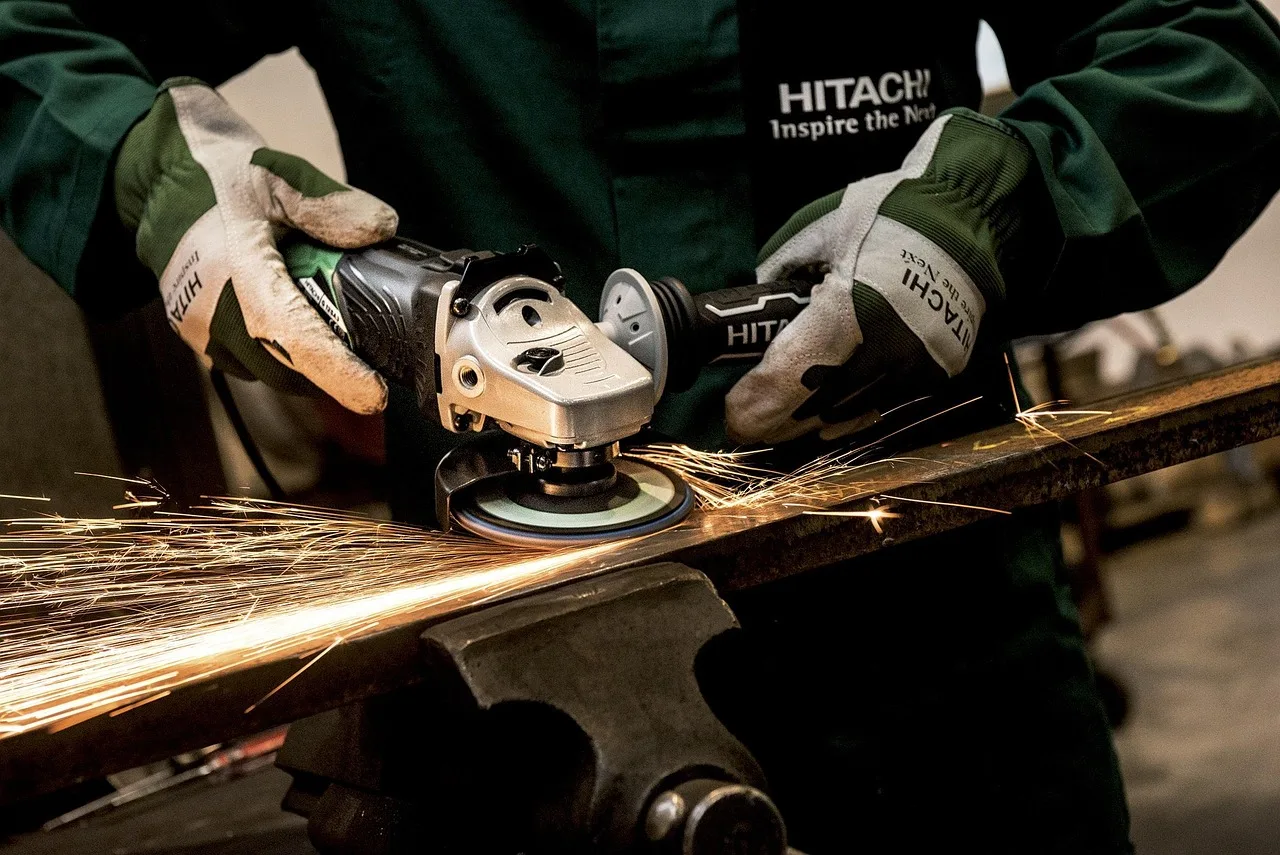
If your method uses a bench grinder for reshaping, the federal rule on abrasive wheel machinery covers wheel guarding, the adjustable work rest and the tongue guard. It applies to workplaces, not a home bench, but set the rest close and keep the guard fitted.
Woodworking machines deserve the same reading
Several projects go faster with a saw or router than by hand. If you take that route, read the construction rule on woodworking tools first. It covers guarding and the need to shut a machine off without leaving the operating position.
Doing the first version by hand is not wasted time. It teaches what the machine is doing at speed.
Keep a record of each attempt
Write down the setup, the stock, what went wrong and what you changed. Three attempts recorded teaches more than ten attempts forgotten. Photograph the failures as well as the successes.
Our weekend practice plan sets these projects into two days, with the bench hook, shooting board and cutting board on the first day and the shelf, sharpening station and box on the second.
Our garage shortlist covers the room improvements these projects tend to reveal: light over the bench, a vise that does not move and dust control at the saw.