Reviews
Part of Maker tool systems compared: price is the wrong place to start
Bare tools beat bundled kits as a first purchase in any tool system
A first-time buyer's order for a tool system: bare tools against kits, where a track saw beats a table saw, and the protection that belongs in the budget.
What to take away
- Bare tools beat bundled kits for a first purchase in any tool system. Buy the first tool as a kit with batteries and a charger, then buy every later tool bare.
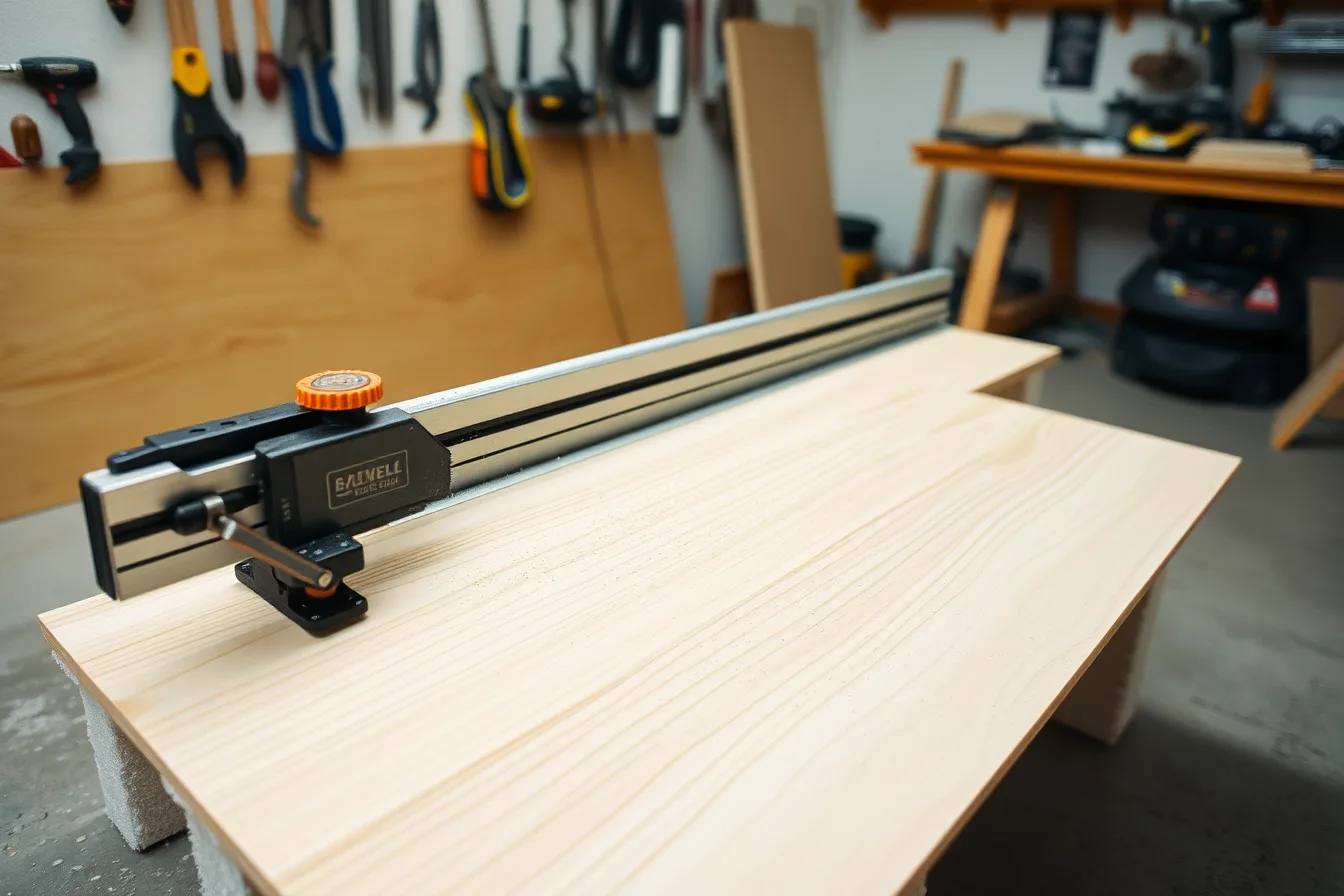
- A track saw and a straight rail cover most sheet work in a small shop, and take up almost no floor.
- A table saw remains the better answer for repeated narrow rips, and it carries the higher risk.
- Hearing protection is part of the tool budget. Most of these tools sit in a range where duration matters.
This is about the order of purchase within a system you have already chosen. No models are named, and nothing here has been tested comparatively. The sequence below assumes the usual pattern for a home shop: assembly and repair work first, sheet breakdown second, and the more specialized tools only once a project has demanded them twice.
Bare tools are the whole point
The economics of a battery platform work only if you buy batteries once. Milwaukee M18, DeWalt 20V MAX, Makita 18V LXT and Ryobi 18V ONE+ are the common platforms in the United States and Canada, and all of them work this way.
If a tool comes only as a kit, factor the surplus batteries into its real price. Bare buying also gives you an honest inventory: you photograph and present maker tool systems and see the real gaps.
Two packs and one charger is enough to start. A second pair of packs typically runs $80 to $200, and a separate charger typically runs $40 to $90. A third pack is worth it only when you routinely run out mid-task.
The purchase order that wastes least
| Order | Tool | Replaces or unlocks |
|---|---|---|
| 1 | Drill and impact driver kit | Assembly, pilot holes, repairs |
| 2 | Circular saw or track saw with a rail | Breaking down sheet goods |
| 3 | Random orbit sander with extraction port | Finish preparation without a dust cloud |
| 4 | Jigsaw or multi-tool | Curves, cut-outs, awkward access |
| 5 | Router, once you have work holding | Joinery, edge profiles, templates |
Everything after that should be bought because a project demanded it, not because it completes a set.
First five tool purchases in order
- 1 Drill and impact driver kit
- 2 Circular or track saw with rail
- 3 Random orbit sander with extraction
- 4 Jigsaw or multi-tool
- 5 Router once work holding exists
Track saw against table saw
For a small shop cutting sheet goods, a track saw and rail is usually the better first choice. It cuts on the material instead of feeding a full sheet past a blade, and it needs no clearance zone.
A track saw also fits a small-space workshop layout because it stores vertically against a wall and leaves the floor clear.
The table saw is better for repeated narrow rips, joinery cuts, and anything needing a fence. It also carries higher risk, and its safety features exist for that reason.
The federal standard for woodworking machinery sets out what a circular saw for ripping is expected to have. That includes a hood over the blade, a spreader to keep the kerf open, and anti-kickback devices.
That rule applies to employers, not to a hobbyist in a garage. If you buy a table saw, buy one whose guard, riving knife and anti-kickback fingers are present and easy to refit, because the ones that are awkward to refit end up in a drawer.
Budget for hearing protection with the tool
Basic ear muffs or foam plugs typically run $20 to $50, and electronic muffs typically run $50 to $150.
OSHA's noise standards page treats noise as a dose, the level multiplied by the time, which is how a long sanding session damages hearing without ever feeling loud.
Our tool system comparison covers choosing the platform, and our beginner kit guide covers the hand tools that come before any of this.