Costs
Part of Modular workbenches comparison: criteria, not product picks
Pricing a modular workbench: from hardware to finish
A modular workbench budget lives or dies on hardware, sheet goods and finish, and the small line items like fasteners most builders forget to price.
What to take away
Prices are typical US retail as of 2026.
- Hardware leads the budget on a modular workbench. A front vise runs $150 to $400, bench bolts $20 to $40 a pair, and casters $15 to $40 each.
- Sheet goods come next. Baltic birch plywood in 3/4 inch 4x8 sheets typically costs $90 to $150; MDF runs $45 to $70.
- Finish is a line item. A quart of varnish or Danish oil costs $25 to $60, plus $30 to $50 for a respirator.
- Ask every supplier for the same five linesquantity, thickness, grade, whether sheets are cut, and delivery. Quotes that look different usually differ there.
- Small lines add up. Fasteners, abrasives and grid tooling typically total $60 to $150.
- If you pay for help, the arrangement's nature decides what applies. Check the rule before you budget the hours.
Price the hardware first
Timber is the visible part, so it gets priced first. On a modular bench that is backwards. The vise, connectors, dogs and stops, and casters decide whether the bench is still rigid in five years.
| Line | What it is | Why it is on the list |
|---|---|---|
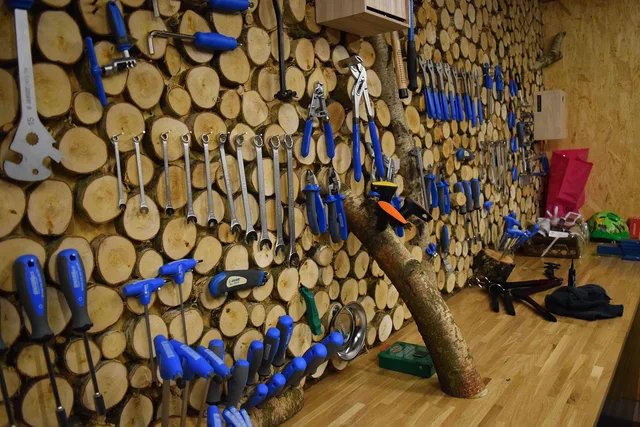
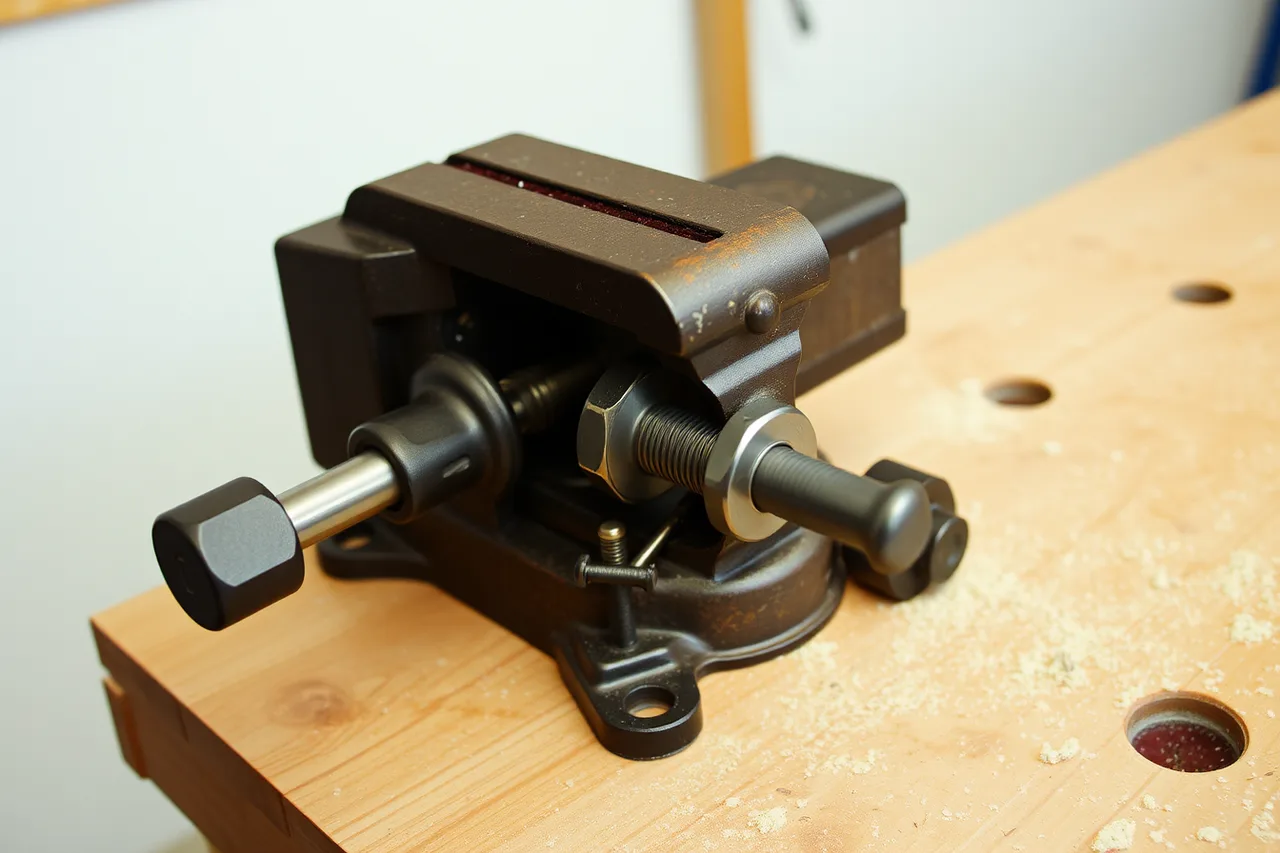
| Vise and mounting | Front or tail vise, jaw liners, bolts | The largest hardware item. Cast iron vises run $150 to $400; Veritas and Lie-Nielsen steel vises run $300 to $600. Jaw width drives the price more than brand |
| Connection hardware | Bench bolts, captive nuts, threaded inserts, brackets | Rockler and Lee Valley sell bench bolts in pairs for about $20 to $40; inserts add $15 to $50. It determines rigidity, and replacing embedded hardware means rebuilding the joint |
| Dogs, holdfasts, stops | Round or square bench dogs sized to your grid | Veritas dogs and holdfasts run roughly $5 to $25 each. Cheap per piece, but the count follows your grid spacing |
| Casters | Rated-load casters, if the bench moves | $15 to $40 each. Under-rated casters flatten and take the frame with them |
| Leveling feet | Adjustable feet or shims | $2 to $8 each, and they end a rocking bench for good |
Add those up before you look at wood. A 6 foot bench with a vise, bolts, dogs, casters and feet usually lands between $250 and $700 in hardware alone. Timber is the easy part to substitute.
Then material, by role
Split the list into top, frame and everything else. The top wants stability and mass. The frame wants stiffness in reasonable section sizes. The rest is trim you can cut from offcuts.
A 3/4 inch 4x8 sheet of Baltic birch plywood typically costs $90 to $150; MDF, $45 to $70; melamine, $40 to $60. A sacrificial sheet top over a torsion frame costs a fraction of a solid hardwood slab, and it can be replaced when it is chewed.
Hardwood is priced by the board foot. Retail 8/4 hard maple typically runs $8 to $14, ash $5 to $9, and construction-grade Douglas fir $4 to $7. A 6 foot maple top in three inch stock takes about 36 board feet, or $300 to $500.
One grade for all three roles is how bench budgets inflate.
Adhesives and finishes have published hazards
Laminating glue is bought by the jug, and bench finishes get applied in the same air you work in. Titebond III runs about $35 to $50 a gallon, or $10 to $15 for a 16 ounce bottle.
A quart of Watco Danish Oil costs $20 to $25, General Finishes Arm-R-Seal $30 to $40, and Osmo Polyx hard wax oil $55 to $70 for 0.75 liters.
A finish that needs cross ventilation and a respirator carries a second cost beyond the tin. A half-face mask with organic vapor cartridges runs $30 to $50, with replacements at $10 to $20 a pair.
OSHA's hazard communication standards page explains the labeling and safety data sheet system behind every container, including the sections on handling, ventilation and personal protection.
That system was written for workplaces, and the same sheet is published for the retail tin. Reading it before purchase is part of pricing.
If you pay someone to help
A bench build is heavy work, so people bring in help for the glue-up or the flip. In most US markets a shop helper costs $20 to $40 an hour; a finishing specialist charges $50 to $100.
When money changes hands, the nature of the arrangement matters. The Department of Labor's fact sheet on the employment relationship under the Fair Labor Standards Act explains how that is determined.
For one afternoon from a friend this is academic. For regular paid work in a shop that sells what it makes, it is not, and the cost of getting it wrong belongs in the budget. Your accountant or CRA sets the treatment; this page does not.
Small lines, and where the money should go
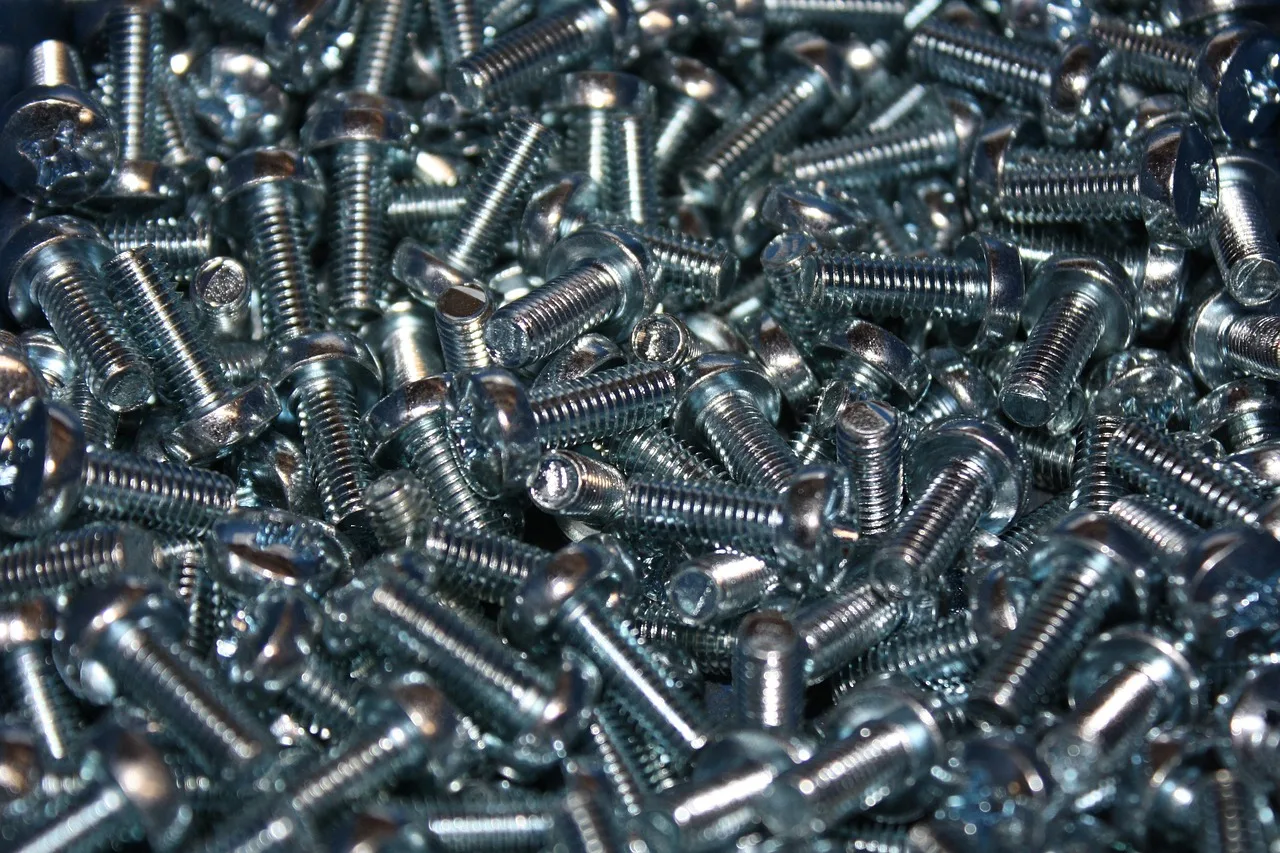
Fasteners, abrasives, wax and shims are individually trivial and collectively a real share of the build. A box of GRK or Spax structural screws runs $10 to $20, a 500-pack of #8 wood screws $15 to $25, sandpaper $1 to $2 a sheet, and paste wax $10 to $20.
Add grid tooling sized to your dog spacing, plus a bit you expect to blunt on reclaimed stock. A set of dogs and a holdfast for a 6 foot bench usually totals $60 to $150.
Our modular bench comparison covers what separates a rigid bench from a wobbly one, and our guide to low-cost work surfaces covers building one for less.
If the budget is tight, put it in the vise and the connectors. Everything else upgrades later without cutting a joint apart. Materials for a plywood-top bench usually run $600 to $1,200, and a hardwood top with a premium vise pushes past $1,500.
Common questions
Is a bought bench cheaper than building one?
Sometimes, once your hours are counted. A similar bench sells for $400 to $1,200. Building is cheaper in cash and dearer in evenings, and the gap narrows as the bench gets simpler.
Where should the money go first?
The vise and the connection hardware. These decide whether the bench is still square in five years, and both are hard to change later. Together they run $200 to $600.
Can I use cheaper connectors and upgrade later?
You can, but replacing embedded hardware usually means rebuilding the joint around it. Buy once here and spend the saving on the top.
How much timber waste should I allow?
More than for a cabinet. Bench parts are heavy sections, and one defect can cost a whole component rather than a trim piece. Add 15 to 20 percent to your board-foot count.